
ctDNA offers clinicians the potential to determine whether to proceed with or discontinue PARP inhibitor maintenance therapy in patients with recurrent epithelial ovarian cancer.


Your AI-Trained Oncology Knowledge Connection!
ctDNA offers clinicians the potential to determine whether to proceed with or discontinue PARP inhibitor maintenance therapy in patients with recurrent epithelial ovarian cancer.
Thomas J. Herzog, MD, discusses the safety findings of nab-Sirolimus in a subgroup analysis of the phase 2 AMPECT study looking at patients with perivascular epithelioid sarcoma.
Thomas J. Herzog, MD, discusses the importance of patients seeing a gynecologist oncologist or a sarcoma doctor for gynecologic perivascular epithelioid sarcomas.
Combining ixabepilone with bevacizumab generated improved survival rates and high response rates compared with ixabepilone monotherapy in platinum-resistant or platinum-refractory ovarian cancer.
Ex vivo generation of CD3-positive, CD56-positive Natural Killer-Like (NKT) with CRX100 was successful in all 7 patients with ovarian cancer in a phase 1 trial.
The latest developments across the field of gynecologic oncology were presented at the 2024 Society for Gynecologic Oncology Annual Meeting on Women’s Cancer in San Diego, California, from March 16-18, 2024.
Rezatapopt treatment delivered responses with acceptable toxicity in heavily pretreated patients with advanced ovarian cancer harboring TP53 Y220C mutations.
Findings from the DUO-E study support potential new durvalumab-based treatment options for patients with advanced or recurrent endometrial cancer.
In the phase 3 LEAP-001, the combination of lenvatinib plus pembrolizumab improved progression-free survival and overall survival among patients with endometrial cancer.
The use of ChatGPT may help to improve genetic counseling for patients with gynecologic cancer.
An increased risk of death and lower enrollment in clinical trials have been observed between Black and White patients with endometrial cancer.
Brian Slomovitz, MD, MS, FACOG, discusses the potential use of tisotumab vedotin-tftv in combinations for the treatment of patients with second- or third-line recurrent or metastatic cervical cancer.
Treatment with nab-Sirolimus demonstrated promising response rates in patients with gynecologic PEComa, according to a subgroup analysis of the phase 2 AMPECT study.
A phase 2 study has begun enrolling patients with 0 to 1 prior lines of therapy to receive the mTOR inhibitor nab-Sirolimus plus letrozole for advanced or recurrent endometrioid carcinoma.
In locally advanced cervical cancer, the combination of neoadjuvant tislelizumab plus chemotherapy was demonstrated to be safe with encouraging antitumor activity.
Patient reported health-related quality of life outcomes from the phase 3 MIRASOL trial strengthen the case for mirvetuximab soravtansine as a new standard of care for patients with folate receptor-alpha positive ovarian cancer resistant to platinum chemotherapy.
Olaparib plus cediranib did not improve survival compared with chemotherapy in patients with platinum-resistant or -refractory epithelial ovarian cancer.
An unprecendented survival benefit was demonstrated with dostarlimab plus in patients with microsatellite instability-high primary advanced or recurrent endometrial cancer.
Findings from the KEYNOTE-868 trial demonstrated a positive survival outcome with pembrolizumab plus chemotherapy across endometrial cancer subgroups.
Rates of cervical cancer across the United States vary due to social determinants of health.

Pedro Barata, MD, MSc, discussed the importance of the NRG Oncology Semiannual Meeting and the forum it provides for oncologists to collaborate and optimize cancer treatment.

Stephanie Lee, MD, discusses a study investigating belumosudil for chronic graft-vs-host disease.

Robert Dreicer, MD, MS, MACP, FASCO, discusses the limitations of using prostate-specific antigen levels alone to guide prostate cancer treatment.
Scott T. Tagawa, MD, MS, FACP, FASCO, highlights a key difference between oral androgen receptor inhibitor drugs and therapeutic radionuclides for the treatment of prostate cancer.
Scott T. Tagawa, MD, MS, FACP, FASCO, discusses that patients with advanced prostate cancer benefit from a multidisciplinary care team.

Balancing cost and efficiency remains at the crux of autologous stem cell transplants for multiple myeloma treatment.
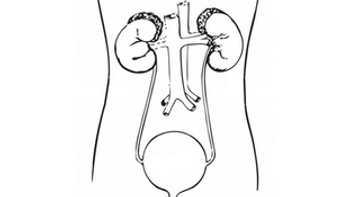
Hedyeh Ebrahimi, MD, discussed a novel approach to targeting metastatic renal cell carcinoma through a microbiome-mediated pathway.

Kayla Giannetti, MSN, APRN-CNP, discusses a study presented at the 2024 Transplantation and Cellular Therapy Tandem Meetings investigating the link between patient frailty and stem cell transplants.

Alice Bertaina, MD, discussed combining T-allo10 gene therapy with stem cell transplants for the treatment of pediatric and young adult patients with hematologic malignancies.

Valentina Ardila, MD, discusses findings from a study investigating the role of obesity in patients undergoing stem cell transplants.