

Interviews

Premal Thaker, MD, MS, discusses important implications and takeaways of the phase 1/2 OVATION study of IMMN-1 in addition to chemotherapy for the treatment of newly diagnosed epithelial ovarian cancer.
Advertisement

Erika Hamilton, MD, discusses the mechanism of action of emiltatug ledadotin, a B7-H4-directed Dolasynthen antibody-drug conjugate.

Alicia Morgans, MD, MPH, discusses new data that shows darolutamide with ADT significantly improves quality of life and delays pain for patients with metastatic hormone-sensitive prostate cancer.

Advertisement
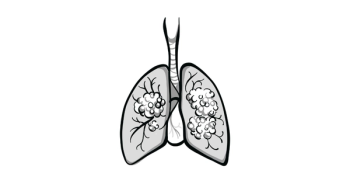
Sevabertinib shows promise as a targeted therapy for HER2-mutant non-small cell lung cancer, addressing significant treatment gaps in this area.


Jeremy S. Abramson, MD, discusses the significant 2-year follow-up results from the phase 3 STARGLO trial in DLBCL.

Jacob E. Berchuck, MD, discusses research on plasma epigenomic profiling in metastatic castration-resistant prostate cancer.
Jamie Jacobs, PhD, provides background on a digital intervention for caregivers of patients undergoing bone marrow transplant.

Advancements in cancer care focus on precise detection of measurable residual disease, enhancing monitoring and relapse prediction through innovative technologies and AI integration.

Douglas Adkins, MD, discusses future directions of the KEYNOTE-689 trial of pembrolizumab in head and neck cancer following the agent's FDA approval.
David Andorsky, MD, discusses efficacy and safety findings from the ASC2ESCALATE study of asciminib in chronic myeloid leukemia.
David Andorsky, MD, discusses the dose escalation design of the ASC2ESCALATE study exploring asciminib's role in chronic myeloid leukemia.

A new platform comprehensively profiles CAR T-cells during manufacturing, revealing phenotypic shifts. This allows for shorter timelines, better outcomes, and personalized therapies.
Ravindra Uppaluri, MD, PhD, discusses findings from the KEYNOTE-689 trial in adult patients with resectable, locally advanced head and neck squamous cell carcinoma.
Ravindra Uppaluri, MD, PhD, discusses the background regarding locally advanced head and neck cancer and what the trial design of KEYNOTE-689 entailed.

Taletrectinib emerges as a groundbreaking treatment for ROS1-mutant NSCLC, offering hope with its CNS activity and lower neurological side effects.
Paolo Ghia, MD, PhD, discusses results from the final analysis of the CAPTIVATE study in CLL/SLL.
Travel barriers and lack of local sites hinder clinical trial enrollment for underserved patients, and decentralizing trials is key to improving access, according to Mariam Eskander, MD, MPH.
Living in food deserts, clinical trial deserts, and areas with high transportation vulnerability significantly lowers breast cancer clinical trial participation.
Paolo Ghia, MD, PhD, discusses the final analysis of the CAPTIVATE study.

Hyung Kim, MD, discussed the PROBE trial, a trial in progress, for patients with advanced kidney cancer.

Seven-year follow-up data on over 1400 patients show radium-223's long-term safety, with a low 2% secondary malignancy rate, reflecting real-world use.

Jill Feldman discusses the background of the phase 2 COCOON trial in advanced non–small cell lung cancer with EGFR mutations.

Brian P. Mulherin, MD, shares his key takeaways from the 2025 ASCO Annual Meeting, highlighting significant advancements in SCLC and the challenge of information overload at large conferences.
Sara Char, MD, discusses how inflammatory diets impact colon cancer survival rates.

Zeynep Eroglu, MD, discusses the use of a triplet regimen vs standard doublet therapy for the treatment of brain metastases in patients with melanoma.
Advertisement
Advertisement
Trending on Targeted Oncology - Immunotherapy, Biomarkers, and Cancer Pathways
1
Gedatolisib Improves PFS in HR+/HER2-/PIK3CA-WT Advanced Breast Cancer
2
Alpelisib/Fulvestrant Improves PFS in Post-CDK4/6 HR+/HER2- Breast Cancer
3
FDA Approves Niraparib/Abiraterone Combo for BRCA2-Mutated mCSPC
4
Nadunolimab Misses Efficacy Mark in TNBC, Despite Strong OS
5
