
An innovative AI model enhances breast cancer recurrence predictions, outperforming traditional methods and offering tailored treatment insights for patients.


Your AI-Trained Oncology Knowledge Connection!
An innovative AI model enhances breast cancer recurrence predictions, outperforming traditional methods and offering tailored treatment insights for patients.

AZD0120 demonstrates impressive early efficacy and safety in treating relapsed/refractory multiple myeloma, with a 96% response rate and rapid manufacturing.
Rusfertide shows sustained hematocrit control and high phlebotomy ineligibility in polycythemia vera patients, demonstrating safety and efficacy through 52 weeks.
Odronextamab shows promising efficacy in treating untreated DLBCL, achieving high response rates when combined with CHOP chemotherapy in early trials.

Alectinib shows remarkable 4-year survival rates in early-stage ALK-positive lung cancer, outperforming chemotherapy in disease-free survival and CNS recurrence.
Pembrolizumab significantly improves survival rates in early-stage non-small cell lung cancer, establishing a new standard of care in perioperative therapy.
A phase 2 study reveals lenvatinib and everolimus significantly improve progression-free survival in metastatic clear cell RCC compared to cabozantinib.
New trial results reveal capivasertib enhances survival in advanced prostate cancer, offering hope for patients with PTEN deficiency.
TUB-040 shows over 50% response rates in platinum-resistant ovarian cancer, highlighting its potential as a promising treatment option.
Giredestrant combined with everolimus significantly enhances progression-free survival in advanced ER-positive breast cancer, offering a promising new treatment option.
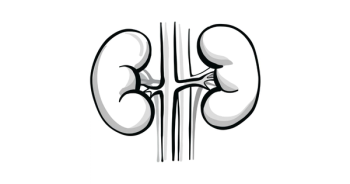
Pembrolizumab consistently improves overall and disease-free survival in clear cell renal cell carcinoma, showing sustained benefit at 5 years post surgery.

Niraparib with AAP cut the risk of progression or death by 37% in HRR-altered mCSPC, according to data from the AMPLITUDE trial.
The ANZUP 1301 trial showed that BCG and mitomycin showed similar DFS to BCG alone in NMIBC, but with 40% fewer BCG doses and similar safety.

Novel HER2 therapies show strong intracranial efficacy, enabling systemic treatment over local therapy for small, asymptomatic brain metastases in metastatic breast cancer.

New agents targeting endocrine therapy and CDK4/6 resistance in hormone receptor–positive breast cancer are in development.

Socioeconomic factors significantly impact access to allogeneic hematopoietic stem cell transplant in patients with acute myeloid leukemia, with certain groups less likely to receive this potentially lifesaving treatment.

Initial therapy with sonrotoclax and zanubrutinib showed strong efficacy and acceptable safety in untreated CLL/SLL.
The phase 3 IMROZ trial showed isatuximab plus VRd and Rd maintenance improved MRD negativity and responses versus VRd alone in transplant-ineligible newly diagnosed multiple myeloma.
The addition of zilovertamab vedotin to R-CHP (cyclophosphamide, doxorubicin, prednisone, rituximab) resulted in a 100% complete response rate in patients with previously untreated DLBCL.

The novel ROS1 inhibitor zidesamtinib demonstrated promising early activity in heavily pretreated patients with advanced ROS1-fusion-positive non–small cell lung cancer, including in those treated with other next-generation TKIs.

In a phase 3 trial, BVd demonstrated a substantial improvement in progression-free survival compared with DVd for patients with relapsed/refractory multiple myeloma.
Adding atezolizumab to bevacizumab plus chemotherapy did not derive benefit in recurrent ovarian cancer.
By dramatically reducing the risk of disease progression in patients with stage III melanoma neoadjuvant nivolumab plus ipilimumab emerges as a new standard of care in this setting.
Inavolisib combined with palbociclib and fulvestrant improved results for patients with HER2-negative, hormone receptor–positive, PIK3CA-mutated advanced or metastatic breast cancer.
Protocol amendment with sacituzumab govitecan shows promising responses, but questions remain for the use of the therapy in patients with bladder cancer.

Dose reductions of the GPRC5D/CD3 bispecific antibody talquetamab effectively improved on-target adverse events while sustaining high response rates for patients with relapsed/refractory multiple myeloma.
The use of the experimental navitoclax in combination with ruxolitinib produced impactful results for patients with myelofibrosis.
A machine learning, artificial intelligence algorithm analyzing diagnostic bone marrow biopsy digital whole-slide images was able to effectively differentiate with 92.3% accuracy between prefibrotic primary myelofibrosis and essential thrombocythemia.

CD19-direct CAR T-cell therapies and the CD20-targeted bispecific antibodies both represent a viable treatment choice for patents with relapsed/refractory follicular lymphoma.
Results from 2 studies shows ciltacabtagene autoleucel to prolong progression-free survival and induce response in patients with relapsed or refractory multiple myeloma.

Published: March 10th 2025 | Updated:

Published: September 14th 2024 | Updated:

Published: June 3rd 2025 | Updated:

Published: March 11th 2025 | Updated:

Published: June 3rd 2024 | Updated:

Published: June 4th 2023 | Updated:
