

A prospective study is looking at whether breast cancer surgery can be eliminated in patients who respond well to neoadjuvant systemic therapy.


Your AI-Trained Oncology Knowledge Connection!
A prospective study is looking at whether breast cancer surgery can be eliminated in patients who respond well to neoadjuvant systemic therapy.
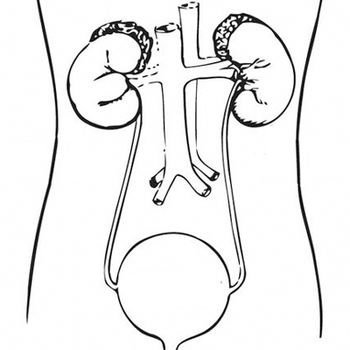
Nivolumab has been granted an accelerated approval by the FDA as a treatment for patients with locally advanced unresectable or metastatic urothelial carcinoma following progression on a platinum-containing therapy, based on findings from a phase II CheckMate-275 study.

Patients receiving the same diagnosis, colorectal cancer with synchronous peritoneal metastases (PM), were offered different treatments that led to dramatically different outcomes based upon the institution in which they were diagnosed.
Patients with advanced hepatocellular carcinoma had objective responses and prolonged survival when treated with single-agent nivolumab, data from a dose escalation/expansion trial showed.
Treatment with the PD-1 inhibitor pembrolizumab significantly prolonged overall survival over investigators’ choice of chemotherapy in patients with recurrent advanced urothelial carcinoma.
The incidence of hand-foot syndrome occurred significantly less often in patients treated with S-1 compared to capecitabine in patients with metastatic colorectal cancer.
Measuring molecular biomarkers after metastasis could inform treatment decisions for women with breast cancer that has spread to the brain.
A pre-planned subgroup analysis of data from the MONALEESA-2 trial demonstrated similar clinical benefit and safety profiles in elderly patients compared to younger patients with HR+/HER2-advanced breast cancer, supporting a paradigm shift in the future medical management of these patients from the current standard of letrozole to combined treatment of letrozole plus ribociclib.

The indication for pembrolizumab has been expanded by the European Commission to include the frontline treatment of patients with metastatic non–small cell lung cancer that expresses PD-L1 on ≥50% of cells and does not harbor an EGFR or ALK mutation.
Jenny C. Chang, MD, speaks about the significance of molecular testing in breast cancer and how it will lead to an improvement in treatment approaches in 2017 and beyond.
The risk of progression or death was reduced by 40% with the combination of nab-paclitaxel and carboplatin compared with 2 other chemotherapy doublets as a frontline therapy for patients with metastatic triple-negative breast cancer.

According to results of a phase I trial, the addition of the CDK 4/6 inhibitor palbociclib can help patients with mantle cell lymphoma overcome resistance to the BTK inhibitor ibrutinib.
Pembrolizumab demonstrated durable activity in 3 clinical trials in previously treated patients with mucosal melanoma.
Based on data from 2 phase III trials, the EMA’s CHMP has recommended approval of lenalidomide as a maintenance therapy following autologous stem cell transplant for patients with newly diagnosed multiple myeloma.
Lead study author Jennifer A. Woyach, MD, discusses a phase II trial of MOR208, which includes cohorts of patients with relapsed/refractory CLL, treatment-naïve disease, Richter’s transformation, and those with CLL who have been treated with ibrutinib.
A prostate-specific antigen nadir greater than 0.5 ng/mL following radiation and androgen deprivation therapy seems to identify men prior to PSA failure who are at high-risk for death, and would thus require more aggressive treatment for their prostate cancer.
Tudor Borza, MD, discusses the major findings of his study that found a sharp decline in the overall rate of men receiving treatment for prostate cancer and his stance on the importance of prostate cancer screening and treatment.
The University of Texas MD Anderson Cancer Center has united with the 68 other National Cancer Institute–designated cancer centers in issuing a joint statement that endorses the recently revised vaccination recommendations from the CDC.
Lenvatinib was shown to be noninferior to standard therapy with sorafenib in the frontline treatment of patients with unresectable hepatocellular carcinoma.

Evanthia Galanis, MD, discusses the issues that currently exist in clinical trial design in oncology and neuro-oncology, as well as how they can be addressed.
Saad Z. Usmani, MD, discusses the POLLUX update and PAVO findings presented at ASH, as well as the latest developments with daratumumab.
According to results from a randomized clinical trial,<sup> </sup>adding vemurafenib to the routinely employed combination of irinotecan and cetuximab prolonged progression-free survival in patients with <em>BRAF</em>-mutant metastatic colorectal cancer.
Elizabeth Plimack, MD, discusses the 2-year updated data from the CheckMate-025 trial in RCC, as well as the remaining questions with nivolumab in this setting.
In the treatment of patients with renal cell carcinoma, there has been a trend of underreporting and underemphasizing toxicities associated with PD-1 inhibitors.
In an update of the phase II CheckMate-142 trial, the promising antitumor activity of nivolumab in patients with microsatellite instability-high metastatic colorectal cancer was sustained.
Alberto Montero, MD, discusses the significance of the PERTAIN study in estrogen-positive, HER2-positive patients.
Tian Zhang, MD, discusses the challenges associated with vaccine development in kidney cancer and the hope that vaccines can still be the answer to improving the response rates with anti¬–PD-1/PD-L1 treatment in RCC.
Carolyn E. Banister, MD, highlights the major findings of her study that discovered a new subtype of cervical cancer and the significant therapeutic implications that will follow.
Two separate delays have been announced by Bristol-Myers Squibb and AstraZeneca in the development of PD-1 and CTLA-4 inhibitor combinations as first-line therapies for patients with advanced or metastatic non–small cell lung cancer.
BRAF inhibitor encorafenib combined with the MEK inhibitor binimetinib reduced the risk of progression or death by 46% compared with vemurafenib for patients with <em>BRAF</em>-mutant unresectable melanoma.