

Theresa Medina, MD, discusses the clinical potential of lifileucel, a tumor-infiltrating lymphocyte therapy, for patients with advanced melanoma.


Your AI-Trained Oncology Knowledge Connection!
Theresa Medina, MD, discusses the clinical potential of lifileucel, a tumor-infiltrating lymphocyte therapy, for patients with advanced melanoma.

A recent trial reveals that targeted stereotactic radiation significantly reduces neurologic death rates in small cell lung cancer patients with brain metastases.

Agenus reveals promising survival rates for its immunotherapy in metastatic colorectal cancer, potentially transforming treatment for resistant patients.

The FDA designates SH-110 as an orphan drug, offering a safer oral treatment option for glioma patients with swallowing difficulties.
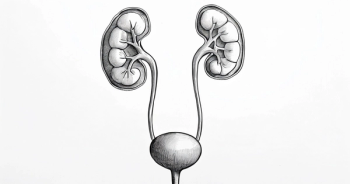
The PROGRxN-BCa study, led by Jethro C.C. Kwong, showcases a major advancement in predicting disease progression in non–muscle-invasive bladder cancer through artificial intelligence (AI).

Pierre Fabre leads global development of tab-cel, an innovative therapy for EBV+ PTLD, with ongoing trials and potential FDA approval on the horizon.

Recent ASCO 2025 findings reveal new insights into melanoma treatment, highlighting challenges and advancements in adjuvant therapy and brain metastases management.
A new FDA application for relacorilant shows promising survival benefits in treating platinum-resistant ovarian cancer, enhancing standard chemotherapy outcomes.


Explore the latest advancements in immunotherapies for T-cell lymphoma, addressing unique challenges and promising new treatment options.

Nicole A. Cipriani, MD, offers guidance for community oncologists regarding the role of BRAF p.V600E testing in patients with papillary thyroid carcinoma.

Hardeep Phull, MD, shared how telemedicine has transformed access, improved patient experience, and redefined care delivery for patients with cancer.
Breelyn Wilky, MD, explains when patients with gastrointestinal stromal tumor should be referred for clinical trials.
Breelyn Wilky, MD, discusses what key molecular insights in GIST management community oncologists should prioritize today.
This week’s edition of The Targeted Pulse spotlights 5 key developments shaping the landscape of targeted oncology.

Final analysis of the INTRIGUE trial shows ripretinib offers similar survival rates and better safety compared to sunitinib for advanced GIST patients.
Peter M. Voorhees, MD, shares key insights from the 2025 American Society of Clinical Oncology Annual Meeting, specifically in the multiple myeloma space.

The CDK2 inhibitor INCB123667 showed positive efficacy and safety signals in platinum-resistant/refractory ovarian cancer.
The FDA reviews an all-oral treatment for newly diagnosed AML, combining decitabine, cedazuridine, and venetoclax, showing promising trial results.
Enzalutamide and leuprolide significantly enhance survival in high-risk nonmetastatic prostate cancer, offering new hope for early intervention.
Peter M. Voorhees, MD, discusses the 5-year follow-up results from the CARTITUDE-1 trial of ciltacabtagene autoleucel for the treatment of relapsed/refractory multiple myeloma.

New research suggests that certain patients with low-risk thyroid cancer can safely forgo postoperative radioiodine ablation without compromising long-term outcomes.

New findings reveal that fixed-duration ibrutinib plus venetoclax offers long-term efficacy and safety for patients with untreated chronic lymphocytic leukemia.
Paolo Ghia, MD, PhD, discusses the takeaways from the final analysis of the phase 2 CAPTIVATE study in CLL.

A promising clinical trial shows that a combination of paxalisib, pembrolizumab, and chemotherapy significantly reduces circulating tumor cells in metastatic triple-negative breast cancer.

In the MIDAS trial, ASCT showed no added MRD benefit over Isa-KRd in newly diagnosed myeloma, raising questions about transplant timing.
Celltrion USA launches 2 denosumab biosimilars, Stoboclo and Osenvelt, enhancing treatment options for osteoporosis and cancer-related skeletal issues.
Peter M. Voorhees, MD, discusses the 5-year follow-up results from the CARTITUDE-1 trial, highlighting the long-term efficacy and durability of ciltacabtagene autoleucel in multiple myeloma.
New research reveals PD-L1 expression enhances survival in advanced ovarian cancer, linking it to homologous recombination deficiency and treatment personalization.