


Oncolytics Biotech reveals promising survival data for pelareorep, an innovative immunotherapy, showing significant benefits in hard-to-treat cancers.


Your AI-Trained Oncology Knowledge Connection!
Oncolytics Biotech reveals promising survival data for pelareorep, an innovative immunotherapy, showing significant benefits in hard-to-treat cancers.

Preliminary results from the TRIFOUR trial highlight nadunolimab's potential in treating advanced triple-negative breast cancer, showing promising efficacy and safety.
FDA designates T-DXd plus pertuzumab as breakthrough therapy for HER2-positive metastatic breast cancer, promising improved survival rates for patients.

Rajshekhar Chakraborty, MD, discusses the safety and tolerability of linvoseltamab with carfilzomib when used for the treatment of patients with relapsed/refractory multiple myeloma.

Osimertinib plus chemotherapy significantly improves overall survival in EGFRm NSCLC, signaling a new standard of care.
Innovative research explores targeted therapies for early triple-negative breast cancer, aiming to reduce toxicity while enhancing treatment efficacy.
FDA issues a complete response letter for glofitamab's second-line DLBCL indication, highlighting ongoing scrutiny in oncology therapy approvals.
Alicia Morgans, MD, MPH, covers what sets darolutamide apart from other androgen receptor inhibitors.
Discover the latest breakthroughs in oncology, including pivotal FDA decisions, promising therapies, and new treatment options for multiple myeloma and ovarian cancer.

Jacob E. Berchuck, MD, highlights novel findings pointing to androgen receptor signaling and Wnt pathway activation as key correlates of poor response to therapy.
Alicia Morgans, MD, MPH, discusses how the ARANOTE trial not only demonstrated clinical efficacy for the combination of ADT and darolutamide, but also highlighted key quality-of-life benefits that could help inform patient and physician conversations.
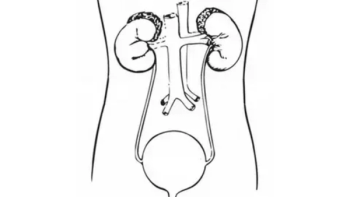
A phase 2 trial shows promising safety results for carotuximab in treating advanced prostate cancer, offering hope for patients with limited options.

Immunotherapy shows promise in reducing recurrence rates for high-risk skin cancer, despite mixed results in recent clinical trials.
FDA grants orphan drug designation to ICT01, a promising immunotherapy for acute myeloid leukemia, targeting unmet needs in older patients.
Alicia Morgans, MD, MPH, discusses the ARANOTE trial.

Emiltatug ledadotin shows promising antitumor activity in various cancers, with manageable safety, highlighting its potential in targeted therapy advancements.
During a live event, Tony Philip, MD, and participants discussed molecular profiling and active surveillance for desmoid tumor management.

Emiltatug ledadotin demonstrated promising antitumor activity and a manageable safety profile in a phase 1 dose-escalation trial.

Promising results emerge from a phase 1b trial of azer-cel, an innovative CAR T-cell therapy, showing high response rates in DLBCL patients.
The FDA's ODAC voted that the benefit-risk profile of belantamab mafodotin in multiple myeloma were not favorable, highlighting notable ocular toxicities and missed opportunities for dosing optimization.

Teclistamab shows promise for relapsed/refractory multiple myeloma patients with prior BCMA therapy, despite trends of reduced survival and response rates.

The FDA prioritizes TAR-200 for treating high-risk bladder cancer, showcasing promising phase 2b study results and innovative drug delivery.

Shahzad Raza, MD, discusses the phase 2 RedirecTT-1 study which investigated the combination of talquetamab and teclistamab for treating patients with relapsed/refractory multiple myeloma complicated by extramedullary disease.

CUE-101 combined with pembrolizumab shows promising results, achieving a 50% response rate in HPV-positive head and neck cancer patients.
Zenith Epigenetics' ZEN-3694 gains FDA fast track designation, offering hope for patients with aggressive NUT carcinoma through innovative treatment combinations.
The FDA clears GL-IL2-138, a groundbreaking oral drug modulating natural IL-2, set to revolutionize treatment in oncology.

Innovative trispecific antibodies show promise in treating relapsed/refractory multiple myeloma and neuroendocrine carcinoma, enhancing patient outcomes and safety.
Shahzad Raza, MD, explains the rationale behind the REDIRECTT-1 study.