
The FDA cleared Ibex Prostate Detect, an artificial intelligence tool aiding prostate cancer detection.


Your AI-Trained Oncology Knowledge Connection!
The FDA cleared Ibex Prostate Detect, an artificial intelligence tool aiding prostate cancer detection.
Amezalpat received fast track designation from the FDA for the treatment of patients with hepatocellular carcinoma.

Chemoradiation with platinum-based chemo is standard for locally advanced cervical cancer, but adverse events drive exploration of immunotherapy and optimal treatment sequences.
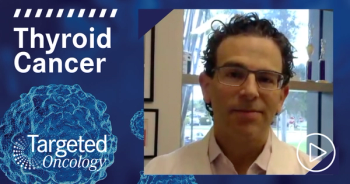
Noah S. Kalman, MD, MBA, discusses the evolving role of molecular and genetic testing in thyroid cancer management.
The FDA granted breakthrough status to Serial CTRS, an AI tool that improves survival predictions in non–small cell lung cancer.

Negative language about patients can reduce clinician empathy and recall of critical health details, a recent study finds.

ASH 2024 featured practice-changing studies in lymphoid malignancies, including tafasitamab’s impact in FL, ibrutinib’s OS benefit in MCL, and promising epcoritamab data in CLL.

Savita Dandapani, MD, PhD, discusses the rationale behind a study evaluating the combination of radium-223, hormone therapy, and SBRT in metastatic castration-sensitive prostate cancer.

The FDA made strides in R/R T-cell lymphoma and breast cancer. An AI tool aids pathologists and other positive updates in gastric cancer and NSCLC.
Arnab Basu, MD, MPH, FACP, discusses circulating tumor DNA (ctDNA) tests with high sensitivity and specificity.
Cyrus M. Khan, MD, discusses how treatment paradigms for chronic lymphocytic leukemia have changed in recent years, particularly regarding frontline therapy options.

The phase 3 waveLINE-010 trial is evaluating zilovertamab vedotin plus R-CHP vs R-CHOP for the treatment of untreated diffuse large B-cell lymphoma.
225Ac-SSO110 has now received FDA orphan drug designation and investigational new drug application clearance for the treatment of SCLC.
William Dale, MD, PhD, FASCO, highlighted the shift from the first geriatric oncology guidelines made in 2018 to the advancements that are shaping the field today.

This approach aims to improve treatment for patients with this highly aggressive and treatment-resistant type of breast cancer.

David Sallman, MD, discusses using eprenetapopt and azacitidine in TP53-mutant myelodysplastic syndrome and acute myeloid leukemia post-allogeneic stem cell transplantation.
The FDA granted RMAT status to gemogenovatucel-T for maintenance in patients with advanced ovarian cancer.
In this episode of Targeted Talks, Aditya Bardia, MD, MPH, FASCO, discusses the recent FDA approval of datopotamab deruxtecan in breast cancer.
Here is a look back on all the FDA happenings from the month of January 2025.

A phase 1 study of a personalized cancer vaccine demonstrated antitumor immunity in all treated patients with resected renal cell carcinoma.
The PATHWAY HER2 (4B5) test is now FDA-approved to assess HER2-ultralow status in metastatic breast cancer, expanding its prior HER2-low indication.
FDA reviews biologics license application for HLX11, a biosimilar to pertuzumab, for HER2-positive breast cancer.
Andrea Roman, PharmD, BCOP, US Oncology Network and McKesson, discussed the integration of clinical pharmacists into community oncology practices.

Ann LaCasce, MD, MMSc, director of the Dana-Farber/Massachusetts General Brigham Fellowship in Hematology/Oncology, highlights the role of bispecific antibodies in lymphoma research.
Azenosertib monotherapy showed a 34.9% overall response rate in heavily pretreated, cyclin E1–positive, platinum-resistant ovarian cancer, with a median duration of response of 5.5 months.

In an interview with Targeted Oncology for World Cancer Day, Manmeet Ahluwalia, MD, MBA, FASCO, explored the key challenges facing community oncology and the strategies needed to close these gaps.

Marwan G. Fakih, MD, discussed the implications of the findings from the phase 2 study for patients with microsatellite stable metastatic colorectal cancer without liver metastases.
Marwan G. Fakih, MD, explains the implications of the findings from the phase 2 trial of balstilimab plus botensilimab for the treatment of patients with microsatellite stable metastatic colorectal cancer without liver metastases.

Data from the phase 3 ENVISION trial demonstrate the potential of UGN-102 as an effective and durable nonsurgical treatment for patients with low-grade, intermediate-risk non–muscle-invasive bladder cancer.

T-DM1 was tolerable in HER2-positive biliary tract adenocarcinoma but did not significantly improve progression-free survival.