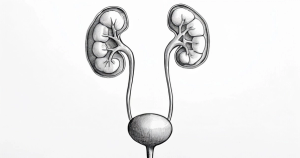


Based on findings from the phase 2 CARDAMON studies, further research is needed to explore deferred autologous hematopoietic stem-cell transplantation in some subgroups of patients with multiple myeloma.


Your AI-Trained Oncology Knowledge Connection!
Based on findings from the phase 2 CARDAMON studies, further research is needed to explore deferred autologous hematopoietic stem-cell transplantation in some subgroups of patients with multiple myeloma.
Positive findings from the phase 3 TROPiCS-02 study have led to the FDA approval of sacituzumab govitecan-hziy for another indication.

The phase 3 NRG-GY018 trial of pembrolizumab and standard of care chemotherapy led to a clinically meaningful improvement in progression-free survival vs standard of care alone in endometrial carcinoma regardless of mismatch repair status.

Positive data from 2 phase 2 studies, SUMMIT and MutHER, have led to the addition of neratinib as a monotherapy or in combination to the National Comprehensive Cancer Network Guidelines for patients with breast cancer.

The phase 1 POLARIS trial showed a 100% overall response rate for OriCAR-017, a novel CAR T-cell therapy with a new target in relapsed/refractory multiple myeloma.

Results from the final disease-free survival analysis of the phase 3 ADAURA trial confirm the benefit of osimertinib vs placebo for the treatment of EGFR-positive non–small cell lung cancer.
Joshua K. Sabari, MD, discusses his use of durvalumab in the frontline setting for the treatment of patients with small-cell lung cancer and where he sees the role for the treatment.
Jorge E. Cortes, MD, provides an overview of the background and findings of the phase 1/2 Study 2102-HEM-101 of olutasidenib in patients with relapsed/refractory IDH1-mutated acute myeloid leukemia.
The phase 1/2 LUMINOS-103 trial will evaluate the intravesical instillation of lerapolturev in a cohort of patients with non-muscle-invasive bladder cancer.

In an interview with Targeted Oncology, Kathryn Beckermann, MD, PhD, discussed her talk from the International Kidney Cancer Symposium: North America 2022 on risk stratifications and considerations for improving outcomes for patients with renal cell carcinoma.
As requested by the FDA, a new biologics license application including updated scientific rationale has been submitted for remestemcel-L as treatment for patients with steroid-refractory acute graft-vs-host disease.

Nicholas J. Robert, MD, discusses the main findings from the MYLUNG Consortium.
Based on findings from the phase 3 SORAYA trial, mirvetuximab soravtansine gained FDA approval for the treatment of patients with folate receptor alpha-high platinum-resistant ovarian cancer.

In an interview with Targeted Oncology, Laura Dawson, MD, FRCPC, discussed the results of the phase 3 NRG/RTOG 1112 study of SBRT followed by sorafenib compared with sorafenib alone in locally advanced hepatocellular carcinoma.
The first-in-class PPT-1 inhibitor ezurpimtrostat has been granted an orphan drug designation by the FDA for patients with hepatocellular carcinoma.
After more than 15 years with no new treatments for glioblastoma, a novel LSD1 small molecule has been granted orphan drug designation by the FDA.
A first-in-human, multicenter, phase 1 clinical trial will begin to assess the safety, and biomarkers for response of DK210 in patients with advanced solid cancer who are overexpressing EGFR.
FCS has announcde that Hitesh Patel, MD has joined its Executive Board, effective January 27, 2023.
Here is a roundup of all the notable FDA news in the oncology space from the month of January.

Alexander Spira, MD, PhD, FACP, discusses osimertinib-relapsed disease and its sensitivity to EGFR or MET inhibition.
Findings from the MOMENTUM phase 3 study show that the use of momelotinib significantly impacts patients with myelofibrosis.

In an interview with Targeted Oncology, Benjamin Schlechter, MD, FACS, discussed the background of a phase 1a/1b trial in microsatellite stable colorectal cancer and how these findings will influence future research.
Based on results from a phase 1b study of pimicotinib showing the therapys efficacy in patients with tenosynovial giant cell tumor, the agent has gained breakthrough therapy designation from the FDA.

The START-001 trial will administer STAR0602 to patients with PD-1 refractory advanced solid tumors in order to evaluate the safety, tolerability, and preliminary clinical activity of the agent as a monotherapy.
Matthew T. Campbell, MD, discusses survival outcomes for patients with both metastatic renal cell carcinoma and sarcomatoid dedifferentiation and how they each have evolved over the past few years.

The novel FLT3 inhibitor, tuspetinib, will be investigated further in patients with FLT3-positive acute myeloid leukemia.
According to a follow-up analysis of the phase 1b/2 study 111/KEYNOTE-146, lenvatinib/pembrolizumab continued to show tumor responses, overall survival, and progression-free survival benefits in endometrial cancer.
Florida Cancer Specialists & Research Institute, LLC, announces that James A. Reeves Jr, MD will retire from its Research Division, effective January 31, 2023.
Carolyn Owen, MD, discusses the phase 3 GLOW study which evaluated fixed-duration ibrutinib and venetoclax in elderly or unfit patients with chronic lymphocytic leukemia. .

The phase 2/3 EVEREST study of zorifertinib for patients with advanced EGFR-mutated non–small cell lung cancer with central nervous system metastases elicited significant efficacy and comparable safety to other tyrosine kinase inhibitors in this indication.